Skip to content
Foundation Repair

Services

French Drain Installation in Austin, TX

A wet strip beside the house can be more than an inconvenience when you mow. Water that repeatedly gathers at the foundation changes moisture conditions in the supporting soil. French drain installation in Austin starts with understanding that water: where it arrives, whether it is on the surface or within the ground, and where it can safely leave the problem area.

A French drain uses a gravel trench and perforated pipe to collect water and carry it to a planned discharge point. It is not the answer to every puddle. Surface drains, gutter changes or downspout extensions may fit a different runoff pattern. Our drainage and gutters hub covers the broader choices; this page explains how a French drain fits into a property-specific drainage plan.

Explore all Drainage & Gutters services
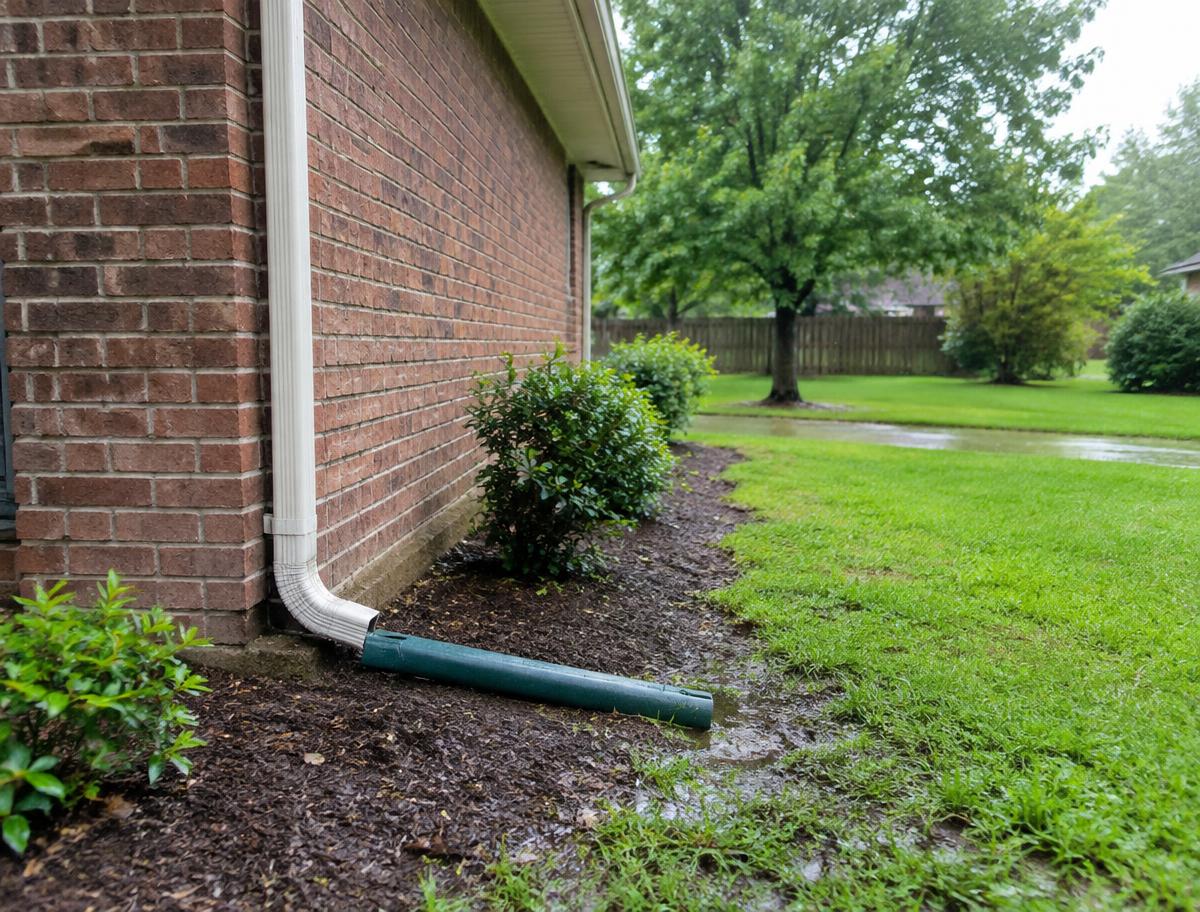
Downspout connected to a drain extension beside a brick home

Problems

Common French Drain Installation problems

Ground that stays wet beside the slab

Persistent moisture along one edge of a house can leave that side behaving differently from drier soil elsewhere. Clay can expand when wet and shrink as it dries, putting uneven pressure on the foundation. Tell us whether the wet area follows roof runoff, irrigation or a slope in the yard. That information helps us choose a collection route instead of simply putting a trench where the puddle is visible.

Runoff settling in low spots

A depression between a patio and a flowerbed may collect fast surface runoff rather than water moving through the soil. In that case, a surface inlet may be part of the answer. We look at the whole route from the source to an outlet. Capturing water without giving it a workable destination can just move the wet spot farther along the same side of the house.

Erosion and damp crawl-space edges

Water taking the same path during storms can wash soil from beneath flatwork or find its way under a pier-and-beam home. Damp ground and musty conditions may need attention alongside structural support. Drainage work manages the water source; it does not replace inspection of damaged framing or settled supports. If you notice both drainage trouble and an uneven floor, tell us about both when you request the visit.

Solutions

How we fix it

01

Choose the right collection route

We trace the wet area and review the surrounding grade, downspouts and concrete. A French drain route should intercept the water contributing to the problem, not simply follow the easiest line to dig. We explain which areas the proposed trench is intended to serve and whether surface collection also belongs in the scope. Ask how the design relates to the foundation, neighboring flatwork and existing landscape features.

02

Gravel trench and perforated pipe

The collection portion uses perforated pipe within a gravel trench so water in the surrounding ground can enter the line. The exact placement and extent depend on the inspection, available access and the planned outlet. We include the proposed route in the estimate, so you can understand where ground will be disturbed. This is drainage work, not a promise that installing a pipe will reverse existing foundation movement.

03

A discharge point that completes the system

Collection is only half the job. The line needs a planned discharge point away from the area we are trying to protect. We review how the proposed outlet and grade work together and explain how downspout water is being handled. Gutters may need a separate controlled route for roof runoff. Your estimate identifies the included drainage work, and the flow check reviews whether water reaches the planned destination.

Warning signs

Signs it's time for an inspection

Any one of these can have a simple explanation. Several together, or signs that are getting worse, are worth a closer look.

  • Wet soil along one side after rain
  • Pooling between beds, patios and the house
  • Washouts beside walkways
  • Damp crawl-space conditions after storms

Our process

What to expect

  1. 1

    Follow the water

    During the on-site drainage walk, point out where water starts and where it gathers. Photos taken after a storm can help explain a dry-day inspection.

  2. 2

    Review the route

    We recommend collection and discharge locations and explain whether a French drain, surface drain or roof-water change fits the problem. Review the free estimate before work.

  3. 3

    Install the planned work

    The crew installs the drainage components included in the agreed scope and restores the disturbed areas. The plan identifies the route and extent of the installation.

  4. 4

    Check the flow

    We review the discharge path and explain simple maintenance. Keep the planned outlets accessible so debris or later landscaping does not interrupt the route.

FAQ

French Drain Installation questions

Free estimate

Get a free French Drain Installation estimate

Share your details and we'll reach out to schedule an on-site visit.

We respect your privacy. Your information is used only to respond to your request.

Areas we serve

French Drain Installation across Austin and the metro

Our four Austin offices serve the city and surrounding communities.

  • Foundation Repair Of Austin Texas

    7101 State Hwy 71
    Austin, TX 78735
    View location
  • Foundation repair Of East Austin

    1201 Barbara Jordan Blvd
    Austin, TX 78723
    View location
  • Foundation repair Of North Austin

    10515 N Mopac Expy
    Austin, TX 78758
    View location
  • Foundation repair Of South Lamar

    1100 S Lamar Blvd
    Austin, TX 78704
    View location
See all areas we serve

Let's take a look at your home

Free on-site estimates from a family-owned Texas company.

CallFree Estimate